A New AI Photo Editing Trend Is Dominating Instagram
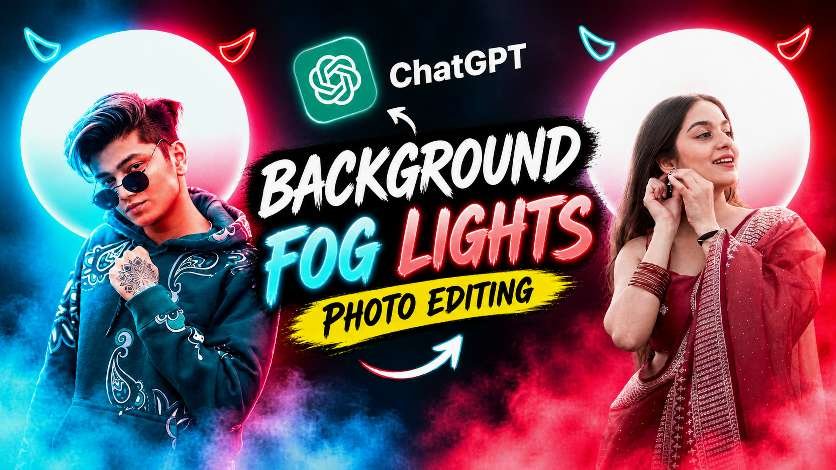
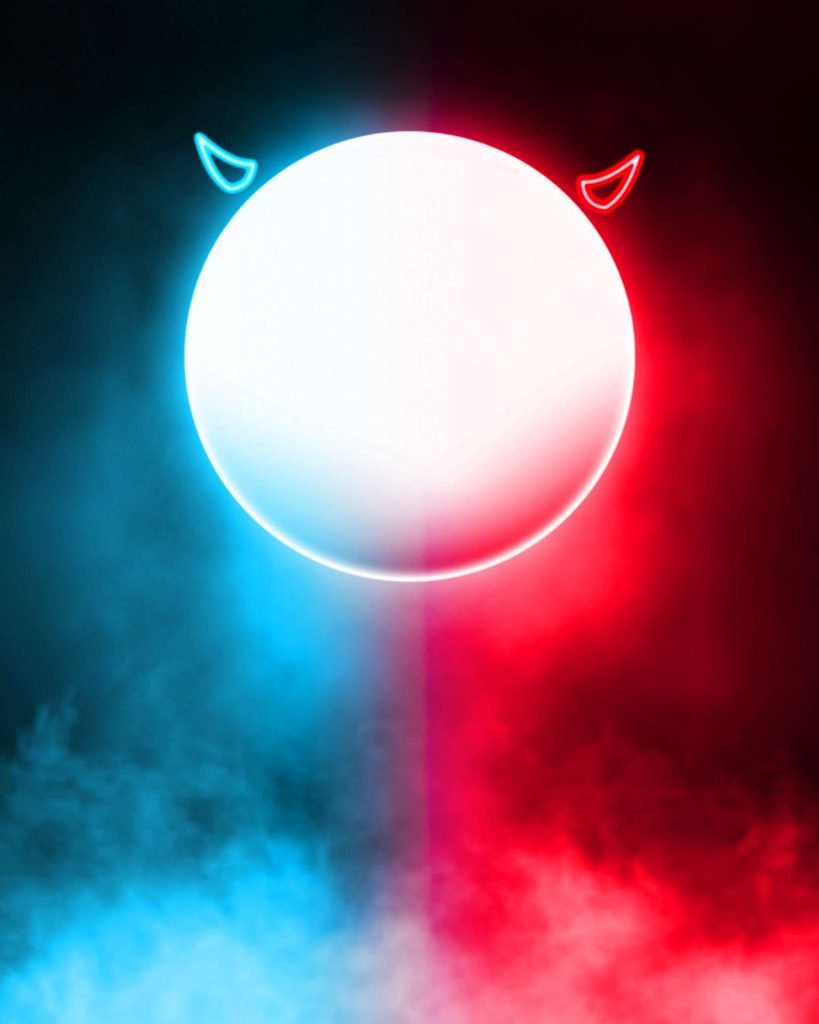
Instagram is full of stunning portrait edits with glowing circles, colorful fog, and dramatic neon lighting. This editing style has become one of the biggest viral trends because it transforms a simple photo into a cinematic masterpiece within minutes. Creators, influencers, and photo editors are using this look in Reels, Stories, and profile posts to attract more views and engagement.The blue-and-red lighting effect creates a futuristic vibe, while the smoky background adds depth and mystery. It is bold, stylish, and perfect for anyone who wants their photos to stand out on social media.
Why Everyone Is Using the Fog Lights Editing Effect
The popularity of this edit comes from its premium visual appeal. Instead of a plain background, the subject appears surrounded by glowing lights and colorful smoke, creating a professional studio look. Even photos clicked on a mobile phone can look high-quality after applying this effect.This style is also easy to recognize, which helps posts catch attention while users scroll through Instagram. That is why thousands of creators are recreating the same aesthetic with AI tools.
Create a Professional Look with ChatGPT AI Editing
ChatGPT makes this editing style much easier by helping generate creative backgrounds and editing ideas. You can create glowing halos, neon lighting, smoke effects, and dramatic color combinations without spending hours learning complicated software.The AI-generated background blends naturally with the portrait, making the final image look clean, vibrant, and ready for social media.
The Secret Behind Viral Instagram Portraits
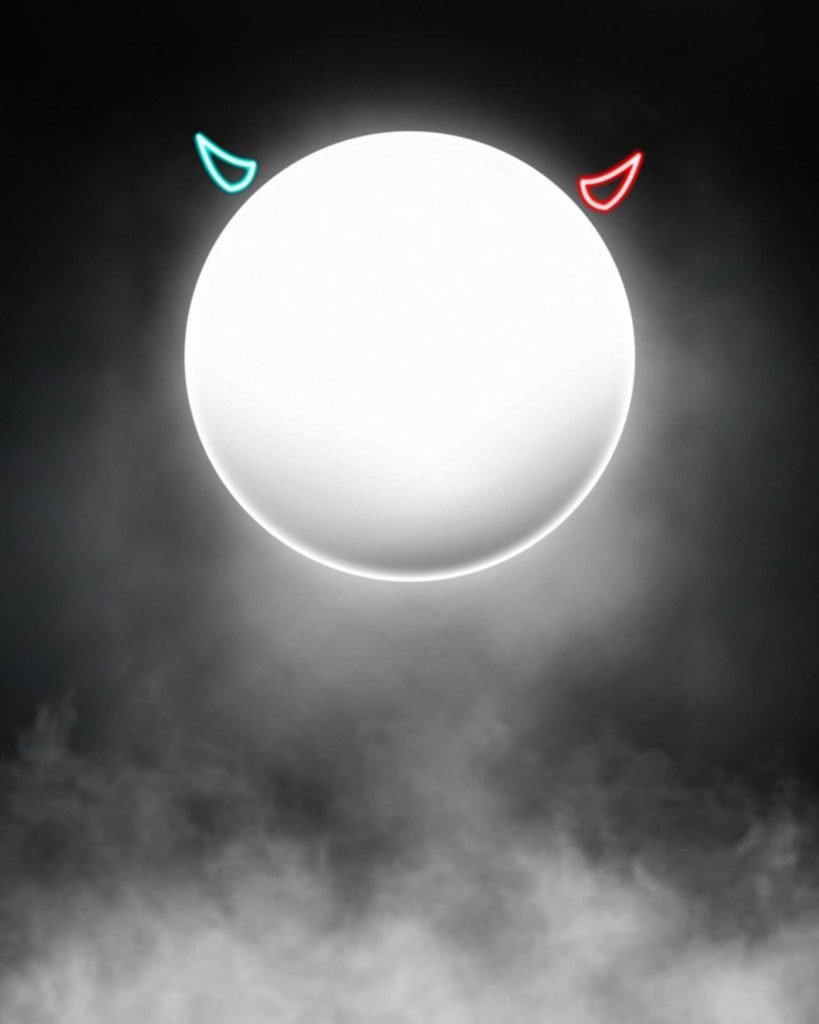
Most viral portrait edits follow the same formula: a dark background, bright neon colors, soft fog, and a sharp cutout of the subject. The glowing white circle behind the person creates a strong focus, while the red and blue lights add a modern cyber-style effect.This combination gives every image a premium thumbnail look that performs well on Instagram and YouTube.
Best Style for Reels, Thumbnails, and DP Photos
This editing trend is not limited to Instagram posts. It is also perfect for YouTube thumbnails, WhatsApp DP, gaming profiles, fashion pages, and photography portfolios. The vibrant lighting and fog instantly make content look more attractive and clickable.
DOWNLOAD PRESET ⬇️
🚀 Create a premium photorealistic Instagram portrait using EXACTLY TWO uploaded images. IMAGE 1 = EMPTY BACKGROUND / MASTER TEMPLATE. IMAGE 2 = PERSON’S OWN PHOTO. Use ONLY Image 1 and Image 2. The audience will NOT provide any additional reference image. Use Image 1 as the exact master background and keep every part of Image 1 completely unchanged. Do not redesign, recreate, replace, remove, crop, repaint, or modify any part of the background. Preserve the complete background, lighting, colors, circular design, neon elements, smoke, perspective, depth, camera angle, composition, and every existing background detail exactly as provided. Take only the real person from Image 2 and naturally integrate them into Image 1. Preserve the person’s real face, identity, facial features, hairstyle, hair texture, clothing, clothing colors, patterns, logos, stickers, accessories, and natural body proportions. Do not change their identity or make them look like a different person. Keep the person slightly smaller and lower in the frame, centered naturally within the main composition of Image 1, with enough original background visible around them. Automatically adjust the person’s scale, position, height, and framing according to Image 2 so the composition remains balanced and cinematic. IMPORTANT LIGHTING RULE: Image 1 itself is the ONLY environmental lighting and color source. Analyze the actual lighting, colors, brightness, shadows, and glow present in Image 1 and naturally match that lighting onto the person. If Image 1 contains strong blue/cyan, red/magenta, or other colored environmental lighting, realistically reflect those exact colors onto the appropriate areas of the person’s face, hair, neck, shoulders, and clothing according to the direction and intensity of the background light. The colored reflections must look like real environmental light, with realistic gradients, highlights, shadows, rim lighting, and natural falloff. If Image 1 does NOT contain colored lighting, DO NOT artificially add blue, cyan, red, magenta, or any other colored lighting to the person. For a neutral, white, grey, or monochrome background such as a white circular light with grey smoke, keep the person’s original natural skin tone, hair color, and clothing colors natural and neutral, while matching the brightness, softness, shadows, and overall neutral lighting of Image 1. Never force colored lighting when it is not present in Image 1. Do not use a blue/red color overlay or artificial color filter. The person’s lighting must always be determined by the actual background provided as Image 1. Make the person look as if they were genuinely photographed inside the exact environment of Image 1. Match perspective, camera angle, depth, brightness, contrast, shadows, ambient light, reflections, and color response. Preserve the smoke from Image 1 exactly in style, density, direction, and overall amount, allowing it to naturally pass around and slightly in front of the lower part of the person to create realistic foreground depth. Do not add excessive smoke. Keep the face sharp, detailed, recognizable, and natural. Preserve eyes, facial structure, hair details, and natural skin texture. If Image 2 is low-quality, dark, or slightly blurry, intelligently enhance clarity, exposure, and detail while preserving the exact identity and natural appearance. Do not create an artificial AI-looking face. Maintain natural body proportions and adapt the positioning naturally to fit the composition without unnecessary body changes. If hands, feet, or other body parts are partially cropped in Image 2, intelligently handle the framing while keeping anatomy natural. Create clean realistic hair and body edges with no white outline, black outline, artificial halo, rough masking, or cutout effect. Do not add another person, extra objects, text, new logos, or watermarks. Do not remove or redesign anything from Image 1. Do not change the person’s identity. Do not make the person oversized or too high. Do not force colors that are not present in Image 1. Do not create distorted fingers, hands, limbs, face, hair, skin, or clothing. Do not introduce AI artifacts. Final output exactly 1080 × 1350 pixels, exactly 4:5 portrait aspect ratio, Instagram-ready, Full HD, extremely sharp, premium quality, photorealistic, realistic skin texture, realistic environmental lighting, realistic shadows, clean details, and professional cinematic finish. The final result must look like the real person from Image 2 was genuinely photographed inside the exact environment of Image 1, with the person naturally positioned and scaled to fit the background and with the person’s lighting automatically matching ONLY the actual lighting and colors present in Image 1.
DOWNLOAD PRESET ⬇️
🚀 Create a premium photorealistic Instagram portrait using EXACTLY TWO uploaded images. IMAGE 1 = EMPTY BACKGROUND / MASTER TEMPLATE. IMAGE 2 = PERSON’S OWN PHOTO. Use ONLY Image 1 and Image 2. The audience will NOT provide any additional reference image. Use Image 1 as the exact master background and keep every part of Image 1 completely unchanged. Do not redesign, recreate, replace, remove, crop, repaint, or modify any part of the background. Preserve the complete circular neon light structure, blue/cyan and red/magenta glowing elements, smoke, colors, lighting, perspective, depth, camera angle, composition, and every existing background detail exactly as provided. Take only the real person from Image 2 and naturally integrate them into Image 1. Preserve the person’s real face, identity, facial features, hairstyle, hair texture, clothing, clothing colors, patterns, logos, stickers, accessories, and natural body proportions. Do not change their identity or make them look like a different person. Keep the person slightly smaller and lower in the frame, centered naturally inside the circular neon composition, with enough original background visible around them. Automatically adjust scale, position, height, and framing according to Image 2 so the composition remains balanced and cinematic. MOST IMPORTANTLY, the blue/cyan and red/magenta light from Image 1 must physically illuminate the PERSON’S FACE as well as the hair and clothing. Do NOT apply the colored lighting only to the clothes or body. The face MUST receive visible but realistic environmental colored light. The blue/cyan light should softly appear on the blue-lit side of the face, including the temple, cheek, jawline, side of the nose, ear, hairline, and nearby neck area. The red/magenta light should softly appear on the opposite side of the face, especially along the temple, cheek, jawline, ear, hairline, and neck. Keep the center/front of the face mostly natural so the skin still looks realistic, while the side areas clearly catch the surrounding neon colors. The colored light on the face must look like real reflected light from the neon background, with smooth gradients, natural falloff, realistic highlights, subtle shadows, and believable skin interaction. It must NOT look like makeup, paint, a color filter, a flat overlay, or an artificial colored face. The effect should be subtle enough to remain realistic but clearly visible at normal viewing size. The face must not remain completely neutral or normally lit while only the clothes receive blue/red colors. The blue/cyan and red/magenta lighting must also visibly interact with individual hair strands, especially along the illuminated sides, creating realistic colored highlights and rim light. The same environmental lighting should naturally continue from the face to the neck, shoulders, sleeves, and clothing, but it must NOT spread uniformly across the entire shirt. Different surfaces must receive different amounts of light according to their position relative to the neon sources. Preserve the original clothing colors, patterns, logos, stickers, and designs while allowing realistic blue/cyan and red/magenta reflections to appear naturally on selected areas. The person should look as if they were actually standing inside the blue-and-red neon environment when the photograph was taken. Match the direction, intensity, brightness, contrast, shadows, reflections, glow, and color response of Image 1. Add realistic contact shadows and environmental reflections where necessary. Preserve the smoke from Image 1 exactly in style, density, direction, and overall amount, with natural smoke passing around and slightly in front of the lower body to create realistic depth. Do not add excessive smoke. Keep the face sharp, detailed, recognizable, and natural. If Image 2 is low-quality or dark, improve clarity and exposure naturally without changing identity or facial structure. Maintain natural body proportions and adapt the pose/framing naturally without unnecessary body changes. If hands, feet, or other body parts are partially cropped in Image 2, intelligently handle the framing while keeping anatomy natural. Create clean realistic hair and body edges with no white outline, black outline, artificial halo, rough masking, or cutout effect. Do not add another person, extra objects, text, new logos, or watermarks. Do not remove or redesign anything from Image 1. Do not change the person’s identity. Do not make the person oversized or too high. Do not use a flat blue/red color filter. Do not make the colored lighting weak, invisible, or limited only to clothing. Do not leave the face neutrally lit. Do not create distorted fingers, hands, limbs, face, hair, skin, or clothing. Final output exactly 1080 × 1350 pixels, exactly 4:5 portrait aspect ratio, Instagram-ready, Full HD, extremely sharp, premium quality, photorealistic, realistic skin texture, realistic environmental lighting, realistic shadows, clean details, and professional cinematic neon finish. The final result must look like the real person from Image 2 was genuinely photographed inside the exact environment of Image 1, with the person slightly smaller and lower in the circular composition, and with clearly visible yet natural blue/cyan and red/magenta light softly reflecting on BOTH SIDES OF THE FACE, hair, neck, shoulders, and selected clothing surfaces. FACE LIGHTING IS ESSENTIAL: the colored neon reflections must be visibly present on the face, not only on the clothes.
Conclusion
The Background Fog Lights Photo Editing trend is one of the hottest AI editing styles in 2026. If you want your photos to look cinematic, colorful, and Instagram-viral, this editing style is worth trying. With ChatGPT, creating this premium neon fog effect becomes faster, easier, and more creative than ever before.